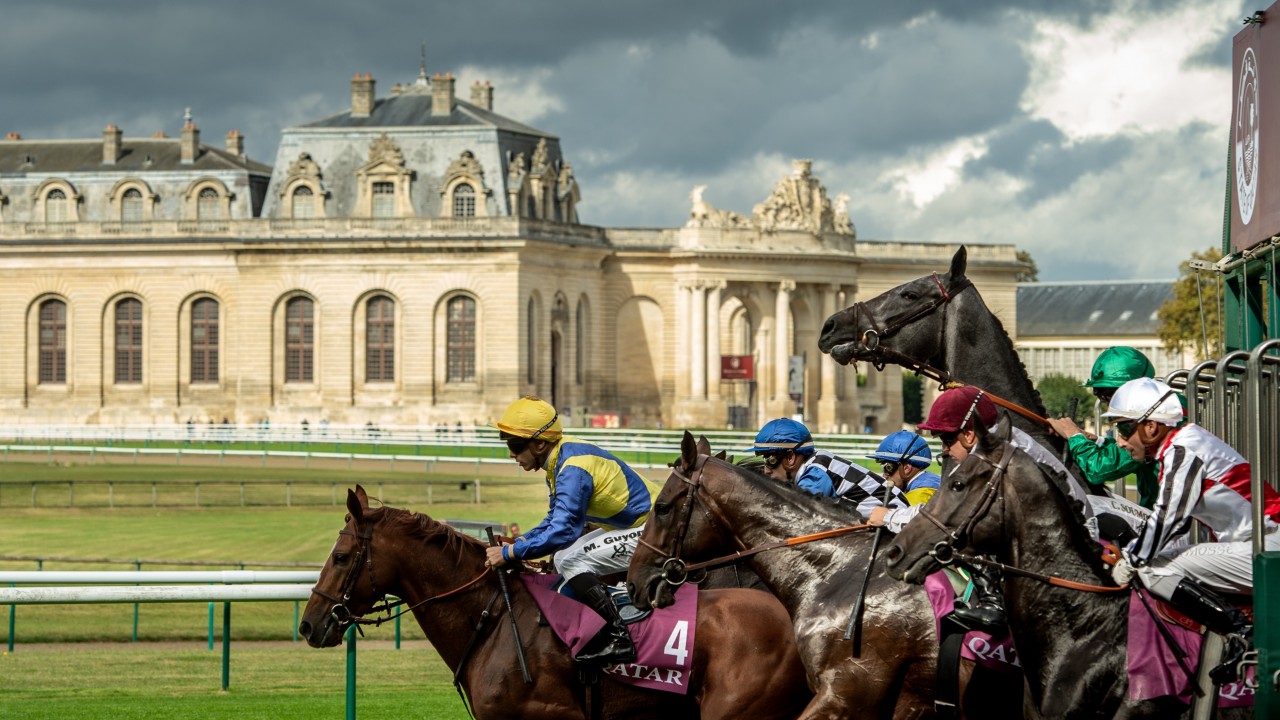
When Victor Lodorum won the Poule d’Essai des Poulains this week, the first French Classic for colts, it reconfirmed his two-year-old form following a disappointing appearance at the start of the season. After the win connections mentioned how the horse had needed his prep run to get him ready for the main event. Comparing the results of English and French versions of this race, it begs the question, when we say ‘the horse needs a run’ is this a reflection of the horse, or the style of training.
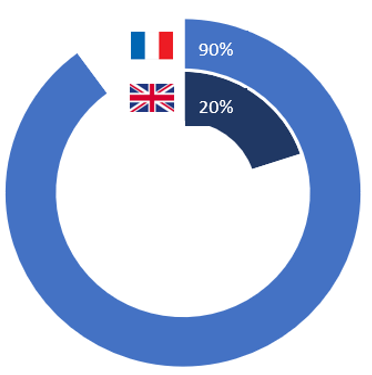
The graphic below shows the percentage of winners of the English 2,000 Guineas and French Poule de Poussi who had a prep race before winning, usually in what are considered recognised trials. In France, 90% of winners in the last ten years had a prep run, while in England the figure was 20% as trainers preferred to prepare their horses at home.
Percentage of winners who had a prep race before the Classic
While it is certainly the case that some horses will need a race as part of their development (to sharpen them up, build their fitness or get them used to being in a race), it seems highly unlikely that the best horses in France should be so mentally and physically different than their English/Irish counterparts.
It seems more probable that trainers, rather than horses, are different. At first glance it would appear French trainers are more likely to follow a tradition of running their horses in recognised trials before the classics, while English and Irish trainers tend to prepare their runners at home. However, in reality it is one trainer who has changed the face of the English Classic season.
The Aidan O’Brien Factor
Any analysis of recent 2,000 Guineas needs to consider two further factors:
- Aidan O’Brien accounts for 50% of English 2,000 Guineas winners in the last ten years and he prefers to bring horses to the race without a run.
- 75% of horses finishing second or third in the English 2000 Guineas in the last ten years did have a prep run.
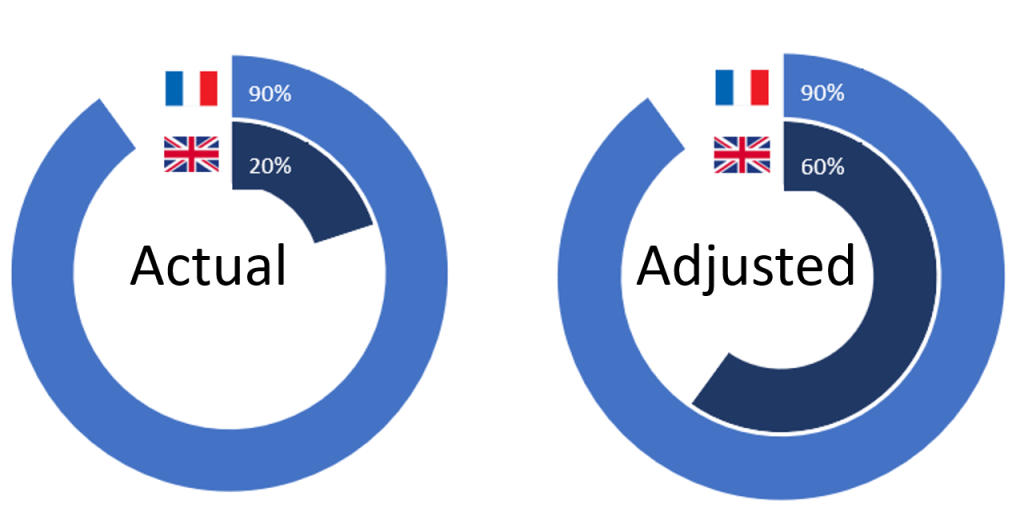
If you were to remove horses from Aidan O’Brien (and fellow Irish Trainer Jim Bolger who O’Brien used to work for), you would end up with 60% of 2,000 Guineas winners having a prep race: closer, but still below the French figures.
Percentage of winners who had a prep run before the Classic and results when adjusted to remove Aidan O’Brien and Jim Bolger
What is the future for Classic Trials?
So the culture gap between France and England may not be as large as the bare figures suggest. But even without Aidan O’Brien there is still a gap. This shows there has already been a small shift away from the traditions of prep races in England for the 2,000 Guineas.
The results from France suggest that the pattern of prep races for the early classics is still strong. This creates a virtuous circle where prep races retain their importance as they supply Classic winners, and therefore they continue to be well supported with prizemoney.
In England the future is not so clear. If more trainers follow the route Aidan O’Brien has made so successful, then the status of the prep races will reduce (as has already started) and it will be harder to attract sponsorship. This is a more vicious circle which can already be see with the prize money for recognised English prep races around 20%-25% lower than the French equivalent.
No one can argue with Aidan O’Brien for taking the direction he does. The problem for English racing is that this success may influence the activities of other trainers as regards the early season racing programme. Keeping the best horses for the best races may open doors for lesser talented horses in early season races such as the Craven and Greenham, but if these horses are not going on to better things, then the status of the race diminishes.
Ultimately it comes down to how much you want to maintain tradition in the racing programme and how often you want to see the best horses run. I suspect that while racing authorities want to use the traditions of the Derby and Royal Ascot to attract newcomers, they spend less time thinking about how to promote early season races such as the Craven and Greenham.
The declining status of these races is a shame as they have always fitted into the development of a three-year-old across the season. This is part of the “narrative” of horse racing – a marketing phrase that promoters such as Great British Racing are keen to talk up as a way to build drama across a season.
More needs to be done to restore the status of these races as they provide the perfect starting point for the narrative. Ultimately, they need to be supported by owners and trainers, and backed up with good prize money to make it work…and this isn’t going to happen if the current trends continue.
 Sport.dat